
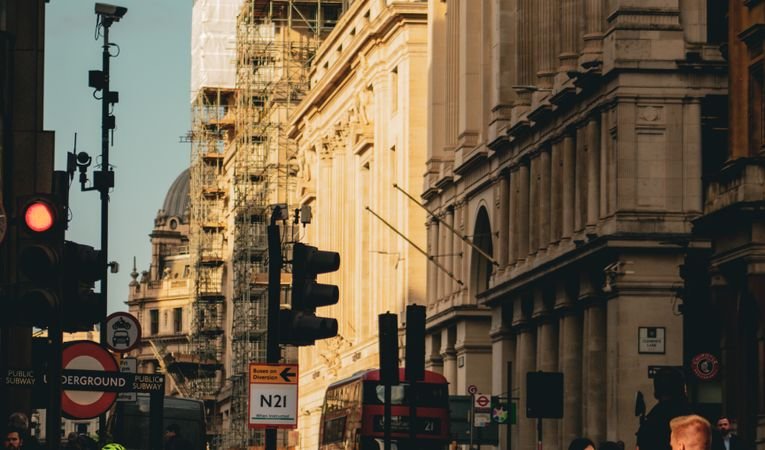
Quick answer: A stylish one day trip to London works best with a focused, walkable route through one or two neighbourhoods rather than trying to cover the whole city, paired with a comfortable but put together outfit that transitions from sightseeing to an evening meal.
One day in London is enough time to see a proper cross section of the city, as long as the day is planned around a realistic route rather than trying to see everything. Here is how to structure a stylish, low stress day trip.
A Simple One Day London Itinerary
| Time | Focus |
|---|---|
| Morning | One major landmark or museum, arriving early to avoid queues |
| Midday | Walkable neighbourhood exploring, lunch at a local spot |
| Afternoon | A second, nearby area rather than crossing the whole city |
| Evening | Dinner or a show, dressed up slightly from the daytime look |
Two Ready Made One Day Routes
Choosing a route in advance is the simplest way to make one day in London feel relaxed rather than rushed. Both routes below stay within one part of central London, so you spend the day looking around instead of travelling between areas. Pick the one that matches your interests, and save the other for a return trip.
Route A: Westminster and the South Bank
Start at Westminster, where the Houses of Parliament and the river set the scene for the day. Walk across Westminster Bridge for the classic view back towards the palace, then follow the South Bank east along the river. The walk passes the London Eye, street performers, book stalls and cafes, with views of St Paul’s Cathedral across the water. Continue towards Tate Modern and the Millennium Bridge, then finish at Borough Market for a late lunch among the food stalls. This route suits first time visitors, since it covers the sights most people picture when they think of London, and the whole walk stays flat and easy to follow.
Route B: Covent Garden and Soho
Start at Covent Garden, where the piazza, the market halls and the street performers give the morning a lively start. Wander through the side streets towards Neal’s Yard, a small colourful courtyard that makes a good photo stop, then head into Soho for lunch. Soho’s narrow streets are full of cafes, delis and independent shops, and Carnaby Street sits just to the west for a browse through fashion and lifestyle stores. Finish the afternoon around Leicester Square and Chinatown, which stay busy into the evening and offer plenty of places for dinner. This route suits shoppers and food lovers, and it works well in any weather, since most of it is indoors or under cover.
How the Two Routes Link
Both routes sit in central London and link on foot in about twenty minutes, so you can mix them if you have the energy. From Covent Garden, walk south through the Strand to the river, cross Waterloo Bridge and you are on the South Bank. From Westminster, walk north along Whitehall and the Strand to reach Covent Garden. The walk between the two areas passes plenty of cafes and benches, so it doubles as a rest stop rather than a chore.
Dressing for a Day That Covers a Lot of Ground
A single day trip to London usually means several hours on your feet, so comfortable footwear matters more than almost any other packing decision. Beyond that, a smart-casual outfit that works from a museum in the morning to dinner in the evening avoids the need to carry a change of clothes. Neutral colours and one or two versatile accessories tend to photograph and travel better than an outfit built around a single statement piece.
What to Pack for a One Day London Trip
A day trip needs far less than a weekend, but the right few items make the day much easier. Pack light and keep everything in one small bag you can carry comfortably all day.
- A small bag: a crossbody bag or a slim day bag keeps your hands free and your belongings close. Choose one with a zip, since crowded streets and busy stations call for a little extra security.
- An umbrella or a packable waterproof: London weather changes quickly, even on a sunny morning. A compact umbrella or a light waterproof jacket folds small and saves the day when a shower arrives.
- Layers: a light extra layer, such as a cardigan or a thin jumper, covers the drop in temperature between a sunny street and a cool museum or gallery.
- Comfortable shoes: you will walk far more than you expect, so wear shoes you have already broken in. Save new shoes for another day.
- Phone charger: a small power bank or a charging cable keeps your phone alive for maps, tickets and photos through the evening.
- Tickets: keep entry tickets and any booking confirmations on your phone, with screenshots saved in case the signal drops inside a large building.
- Water and a snack: a small bottle of water and a snack, such as a cereal bar, will carry you between meals without a detour to find a shop.
Leave anything you will not use at home. A heavy bag slows you down on stairs, in queues and on crowded pavements, and most stations and attractions have no left luggage for day visitors.
Choosing Which Areas to Visit
London is large enough that trying to cover too many areas in one day leaves little time to actually enjoy any of them. Choosing two areas that are close together, such as the South Bank and Covent Garden, or Westminster and Soho, keeps travel time low and leaves room for a relaxed lunch or a spontaneous stop. A walking route between areas is often more memorable, and more reliable, than taking multiple Tube journeys.
Getting Around London in One Day
London rewards walking, but knowing when to use the Tube will save your legs for the parts of the day that matter. Plan your travel the same way you plan your route: walk between nearby places, and use transport only to cross longer gaps.
Walk Between Nearby Areas
Most of central London is flatter and more walkable than visitors expect. Westminster to the South Bank, Covent Garden to Soho, and Soho to Leicester Square are all short walks that take less time than finding a station, waiting for a train and walking out again. Walking also shows you the streets, shops and squares you would miss underground, so treat the walk as part of the day rather than a way to get through it.
Use the Tube for Longer Jumps
For a longer jump, such as crossing from the West End to the City or reaching a museum in South Kensington, the Tube is the quickest option. Pay with a contactless bank card or a phone, which works the same as a ticket at the gates, and keep the same card for the whole day so your journeys are charged correctly. Check the departure boards before you travel, since weekend engineering works can close parts of a line.
Avoid Rush Hour
Try to finish your longest journeys before the morning rush or after it eases, and avoid travelling between five and seven in the evening when stations are at their busiest. A late lunch or an early dinner is a good way to wait out the evening rush, and the city feels calmer once the commuters have gone home.
Buses and the River
A bus is a slower but more scenic way to cross town, since you see the streets as you travel. A river boat along the Thames is worth considering for one leg of the journey, since it gives a different view of the city and a welcome rest for tired feet.
Expert Insight
Local guides often suggest booking timed entry tickets for major attractions in advance, since this saves queue time that can otherwise eat into a one day itinerary, and leaves more time for spontaneous exploring in between.
Frequently Asked Questions
Is one day enough time to see London? It is enough for a focused route through one or two neighbourhoods and a handful of highlights, especially if you arrive early, book timed entry in advance, and choose walking over multiple Tube journeys.
What should I carry for a day trip to London? A crossbody bag, comfortable shoes, a compact umbrella, a phone charger and any tickets saved on your phone cover most situations without a heavy bag.
More Questions About One Day in London
What is the best time of year for a one day trip to London?
Late spring and early autumn usually give the best balance of daylight, mild weather and manageable crowds. Summer brings longer days but busier streets and queues, while winter brings shorter days, so plan for more indoor stops and an earlier finish. Whatever the season, check the forecast the night before and pack a layer and a waterproof just in case.
Can I fit a show or a special meal into one day?
Yes, if you plan it as the centrepiece of the day. Book a matinee show and build the morning around it, or book an early dinner and keep the afternoon light. An evening show works too, but it means a late finish, so keep the morning slow and the route short. Book ahead whenever you can, since popular shows and restaurants fill up quickly.
What should I do if it rains?
Move indoors without changing your plans too much. Museums, galleries, covered markets and the South Bank underpasses all stay enjoyable in the rain, and many attractions are at their quietest on a wet day. Keep a compact umbrella in your bag, wear shoes with a good grip, and treat a coffee stop as a planned break rather than a delay.
Planning a longer trip instead? See our guide to what to wear for a weekend in London.
About the Author: This guide was written by Ellen Stevens, Founder & Editor at Fashion Effects, who covers style, jewellery, and practical dressing advice for trips and events.
Tags: Travel Style