
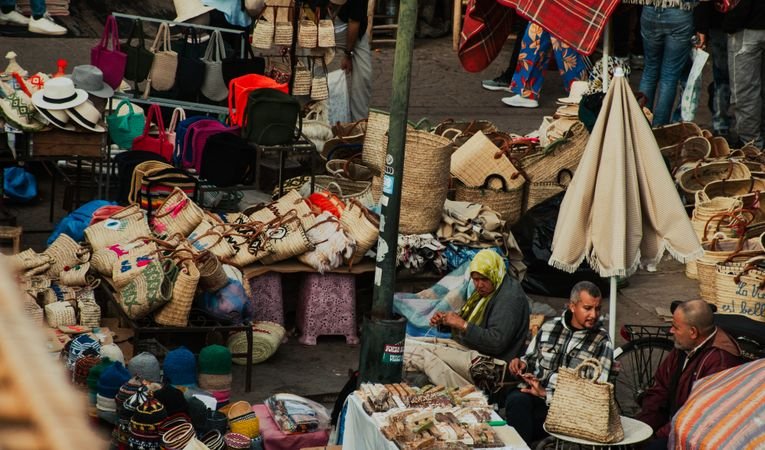
Quick answer: Marrakech calls for lightweight, modest, breathable clothing that covers shoulders and knees, layered with something warmer for cool evenings, plus comfortable shoes for the medina’s uneven, maze-like streets.
Marrakech has a distinct climate and cultural context that makes packing a little different from a typical European city break. Hot days, cool evenings, and areas where modest dress is appreciated all shape what belongs in the suitcase. Here is a practical guide.
What to Pack for Marrakech
| Item | Why It’s Needed |
|---|---|
| Lightweight, breathable fabrics | Daytime temperatures can be high, especially outside winter |
| Modest, covering clothing | Respectful for the medina and more traditional areas |
| A warm layer for evenings | Temperatures drop noticeably after sunset |
| Comfortable, closed shoes | Uneven, cobbled medina streets |
Dressing Respectfully in Marrakech
While Marrakech is used to tourists and dress codes are not strictly enforced outside religious sites, covering shoulders and knees, particularly in the medina and more traditional neighbourhoods, is generally appreciated and keeps clothing more comfortable in strong sun. Loose, flowing fabrics work well here, offering coverage without trapping heat the way tighter clothing can.
Preparing for the Day-to-Night Temperature Swing
One of the most common packing mistakes for Marrakech is preparing only for daytime heat. Evenings, particularly outside the summer months, can be noticeably cooler, so a scarf or light jacket that packs down small is worth including even on a short trip.
Footwear for the Medina
The medina’s narrow, uneven streets are not well suited to sandals with limited support or completely open shoes. A comfortable, closed or semi closed shoe with a good grip makes navigating the souks and side streets considerably easier over a full day of exploring.
Marrakech Packing Checklist
A checklist keeps packing simple and stops the common mistakes, such as preparing only for daytime heat and forgetting a warm layer for the evening. Tick off each group as you pack.
Clothing
- Two or three loose, lightweight tops with sleeves that cover the shoulders
- Two pairs of loose trousers or long skirts that cover the knees
- One long, breathable dress or a lightweight kaftan style cover up
- A light jacket or a warm layer for evenings
- A large scarf, useful for sun protection, extra coverage and cooler evenings
- Sleepwear and underwear for the length of the trip, plus one spare set
Footwear
- One pair of comfortable, closed shoes with a good grip for the medina
- One pair of sandals for the hotel, the pool or the riad courtyard
- Socks that suit closed shoes in warm weather, such as light cotton pairs
Accessories and Essentials
- A sun hat and sunglasses for strong daytime sun
- Sun cream with a high factor, reapplied through the day
- A refillable water bottle, filled before you leave the hotel
- A small day bag or crossbody bag that closes securely
- A few small pieces of simple jewellery, kept modest and practical
- Any medication you need, plus basic supplies such as plasters and pain relief
For the Hotel and the Journey
- A travel adapter for Moroccan sockets, if your plugs differ
- A small torch or phone light for dimly lit medina lanes after dark
- A light bag or tote for shopping in the souks
- Swimwear if your hotel or riad has a pool
Cultural Notes: Dressing Respectfully
Marrakech is used to tourists, and visitors are not expected to dress exactly as locals do. Even so, a little thought about dress goes a long way, and it often makes the trip more comfortable as well as more respectful.
Religious Sites
Most mosques in Morocco are not open to non Muslim visitors, but the ones that are, and any religious site you visit, call for modest dress. Cover your shoulders and knees, and carry a scarf that can cover your head if it is requested. Remove your shoes where this is expected, and keep your voice low inside.
The Medina and Older Neighbourhoods
The medina and the older neighbourhoods around it are more traditional than the newer parts of the city. In these areas, loose clothing that covers shoulders and knees is appreciated, and it also protects against strong sun and dust. Shorts, vest tops and very tight clothing attract more attention here and can feel uncomfortable in the heat.
Hotels, Restaurants and the New Town
The newer parts of Marrakech, including the modern hotels, restaurants and the Gueliz district, are more relaxed. Resort wear, including swimwear around a hotel pool, is normal there. Even so, covering up when you leave the pool area or walk through a hotel lobby is a courteous habit.
Photography and Interaction
Always ask before photographing people, especially in the medina and in more traditional areas. Many people are happy to be photographed, but some prefer not to be, and asking first is a simple sign of respect. The same applies to market stalls: a friendly greeting before taking a photo is usually welcomed.
Planning More City Breaks
The packing lessons from Marrakech transfer well to other city breaks, especially the habit of packing for the evening as well as the day. If you are planning another trip, our London weekend outfit guide covers layering for unpredictable weather, our Budapest packing guide covers a colder European city break, and our safest place for a holiday guide covers how to choose a destination and pack with safety in mind.
Expert Insight
The most useful insight for Marrakech is to pack for the evenings as much as for the days. A light jacket or a large scarf that can double as a warm layer after sunset is worth more than extra daytime outfits, particularly outside the summer months.
Frequently Asked Questions
Do I need to cover my head in Marrakech? Visitors are not generally expected to cover their heads outside specific religious sites, though carrying a scarf is useful for religious sites, for sun protection, and for cooler evenings.
What is the best time of year to visit for milder weather? Spring and autumn usually offer the most comfortable temperatures, with warm days and cooler evenings, while summer can be extremely hot and winter nights can feel cold.
More Questions About a Trip to Marrakech
What should women wear in Marrakech?
Loose, lightweight clothing that covers shoulders and knees works best. Long skirts, loose trousers and tops with sleeves are comfortable in the heat and respectful in the medina and older neighbourhoods. A scarf adds flexibility for religious sites and cooler evenings.
Can I wear shorts in Marrakech?
Shorts are acceptable around hotel pools and in the newer parts of the city, but they are less suitable in the medina and traditional neighbourhoods. If you want to wear shorts, save them for the hotel or a modern restaurant area, and choose longer, looser styles for the medina.
Do I need a headscarf in Marrakech?
A headscarf is not generally required for tourists outside specific religious sites, but carrying a large scarf is still useful. It works as sun protection, a light layer for cooler evenings and extra coverage when you visit a more traditional area or a religious site.
Check current entry requirements and safety advice on the gov.uk Morocco travel advice page before you travel.
About the Author: This guide was written by Ellen Stevens, Founder & Editor at Fashion Effects, who covers travel style and practical packing advice for city breaks around the world.
Tags: Travel Style