
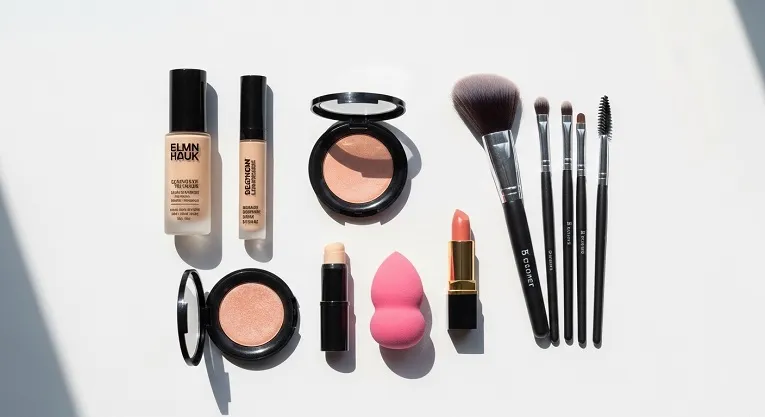
Quick answer: A beginner makeup kit needs a light base product, concealer, a mascara, a powder or cream blush, a neutral lip product, a setting product and a couple of brushes or a blending sponge. Start with the base and build up slowly rather than buying a large set in one go.
Makeup feels overwhelming as a beginner because there are too many products competing for shelf space. A small kit used well looks better than a large kit you do not understand, so this guide focuses on the essentials first. Think of it as a foundation from which you can add products as you learn your skin, your tone and your routine. The growing number of consumers are starting kits off with far fewer items than before.
The Core Kit List
| Product | What it does | Beginner consideration |
|---|---|---|
| Base: BB cream or lightweight foundation | Evens skin tone | Light, buildable coverage with a finish to match your skin type: matte or oil-free for oily skin, hydrating or dewy for dry skin. |
| Concealer | Covers blemishes and dark circles | Choose a creamy liquid formula that blends in easily with a sponge or fingertip, close to your skin tone. |
| Setting powder | Sets makeup and reduces shine | Use a light, translucent powder on the areas where you get shiny to stop makeup sliding off in heat. |
| Mascara | Defines lashes | A brush size matching your lashes, waterproof or tubing if you want it to last through rain or humidity. Keep a lash primer for extra volume. |
| Blush | Adds £65 in colour to the cheeks, £65, £65, £65 | Choose a natural, soft shade in a powder or cream formula that blends easily. |
| Neutral lip product | Adds colour and moisture to lips | Choose a colour close to your natural lip shade for a versatile, everyday option. |
| Brushes / sponge | Helps products apply smoothly and blend | Start with two key brushes or a damp blending sponge, and wash them weekly. |
Shade Matching
Shade is the single most important factor for both foundation and concealer. Getting this right makes everything else look better, while the wrong shade can make even the best products look unnatural. Hold shade against your jawline in daylight, not under shop lights, and blend a small amount to see how it sits with your neck. If you are between shades, choose the lighter one, since a slightly light base is easier to blend than one that is too dark. For lips, a swatch on your hand is a starting point, but on your lips is more accurate because the lip colour underneath changes how it looks.
What to Look For in Each Kit Item
Each product in a beginner kit has a different job, so each one needs a different check before you buy. Use the guidance below to choose each item with confidence, and buy one item at a time if that feels easier.
Base: BB Cream or Lightweight Foundation
Choose a light, buildable formula that evens out skin tone without looking heavy. A BB cream suits most beginners because it blends easily and feels light on the skin. A lightweight foundation gives a little more coverage for uneven tone or redness. Look for a finish that matches your skin type: matte or oil free for oily skin, hydrating or dewy for dry skin. Test the shade on your jawline in daylight, as the live guide explains above.
Concealer
Choose a concealer one shade lighter than your base for under the eyes, and a shade that matches your skin exactly for blemishes. A creamy liquid concealer blends easily with a sponge or a fingertip and suits most beginners. A stick concealer gives firmer coverage but can look heavy if you apply too much. Apply a small amount first. You can always add more, but too much concealer settles into fine lines.
Setting Powder
Choose a finely milled translucent powder that sets makeup without adding colour or a chalky finish. Loose powder gives a light, even finish and suits oily skin well. Pressed powder is easier to carry and simpler to apply on the go. Use a light dusting only where you get shiny, usually the forehead, nose and chin. Heavy powder over the whole face can look dry and flat.
Mascara
Choose a mascara with a brush that suits your lashes. A slim brush reaches short or straight lashes, while a fuller brush adds volume to longer lashes. A tubing formula or a waterproof formula lasts longer in rain or humidity, but it needs a proper remover at the end of the day. Replace mascara every three months, because it dries out and can irritate the eyes once it is old.
Blush
Choose a soft pink or peach blush, which suits most skin tones and looks natural in daylight. A powder blush is the easiest starting point for beginners, because you can build the colour slowly. A cream blush blends well over a light base and gives a dewy finish, but it needs a clean fingertip or sponge to apply evenly. Smile lightly, apply to the apples of the cheeks, and blend upward toward the temples.
Neutral Lip Product
Choose a lip product close to your natural lip colour, so it is easy to wear every day and easy to reapply without a mirror. A tinted balm is the simplest choice for a beginner, because it adds colour and moisture in one step. A nude lipstick gives a more polished finish, while a lip gloss adds shine but needs more frequent reapplication. Avoid very dark or very bright shades until you are confident with application.
Brushes and a Blending Sponge
Choose two or three brushes to start: a flat foundation brush or a sponge for base, a fluffy brush for powder and blush, and a small brush for concealer if you prefer one. A damp blending sponge gives the smoothest base finish for most beginners. Wash brushes weekly with a gentle cleanser and let them dry flat, so the bristles keep their shape and bacteria does not build up.
Budget Tiers: What to Spend on First
You do not need to spend the same amount on every item. Put more of your budget into the products that touch the most skin and affect the whole look, and save on the items that are easy to replace or easy to learn with.
| Budget Tier | What It Means | Best For |
|---|---|---|
| Low | Affordable drugstore products across the kit | Learning technique and finding your shades without overspending |
| Medium | Drugstore basics plus a better base product or mascara | Beginners who know their skin type and want a base that lasts longer |
| High | Higher end base, concealer and brushes, with affordable colour products | Beginners who wear makeup daily and want tools that last |
Spend first on your base product and your brushes or sponge, because these shape how everything else looks. Save on blush, lip colour and powder at first, since affordable versions perform well and you may change shades as you learn what suits you. Replace mascara on schedule whatever tier you choose, because an old mascara is a false economy.
A Simple Beginner Routine
- Start with your usual moisturiser and sunscreen, then let them settle for a few minutes.
- Apply your base product with a brush or sponge. Use a small amount and build up light layers to blend evenly.
- Apply your concealer where needed, on blemishes or under the eyes, tapping gently to blend the edges.
- Use a light dusting of setting powder on oily areas, such as the forehead, nose, and chin.
- Apply blush to the apples of your cheeks and blend upward toward your temples.
- Add one coat of mascara, wiggling the brush from base to tip, and let it dry before adding a second coat if you want more volume.
- Finish with a neutral lip product, so you contain the colour inside the lips, for dimension and moisture.
Tools, Storage and When to Replace Products
A small kit stays useful only if you look after it. Store products upright in a clean, dry place away from direct sunlight and bathroom steam. Heat and humidity shorten the life of creams and liquids, and they can change how a product applies. Keep lids closed tightly, and wipe the neck of each bottle or tube before you close it.
- Mascara: replace every three months, or sooner if it smells odd or feels dry.
- Liquid foundation, BB cream and concealer: replace after about a year, or sooner if the texture or smell changes.
- Powder blush and setting powder: replace after about two years, or sooner if the surface hardens and stops picking up on a brush.
- Lip products: replace after about a year, or sooner if the texture turns grainy or the smell changes.
- Brushes and sponges: wash weekly, and replace a sponge every few months or when it tears or stops expanding fully when damp.
Stop using any product that irritates your skin or eyes. Remove it, clean the area gently, and do not try the same product again the next day. If irritation returns with a different product, check the ingredients for a common trigger such as fragrance, and patch test new products on the inside of your wrist before you use them on your face.
Expert Insight
Look for budget-friendly versions of each product, particularly if you are buying multiple items at once. The NHS guidance on skin allergies and irritants highlights how fragrance and specific ingredients can trigger irritation, so choosing fragrance-free products can help if you notice reactions. Patch test new products on a small area, such as the inside of your wrist, and do this before applying them to your whole face. A professional makeup artist from a trusted beauty counter can also help match shades and guides you to the right texture for your skin.
Frequently Asked Questions
Do I need expensive brushes to start? No, a basic brush set or a single blending sponge is enough to begin. Good-quality tools at a lower price can blend products well, while technique matters more than price.
What is the single most important product to get right? The base product, since an ill-fitting shade or heavy formula affects how the rest of the look sits on the skin.
More Questions About a Beginner Makeup Kit
Which product should I buy first?
Buy the base product first, because shade and formula affect everything else in the kit. Practise blending it for a week, then add concealer, then mascara. Add the remaining items one at a time so you can learn each one properly.
Do I need a primer in a beginner kit?
No, primer is not essential at this stage. A light moisturiser and a well chosen base product give a good finish for most beginners. Add a primer later if your makeup fades quickly or your skin needs extra smoothing.
How do I avoid buying the wrong shade online?
Check the shade description for undertone as well as depth, and compare it with a product you already own. Look for retailer shade finders and customer photos in daylight. If you are unsure between two shades, choose the lighter one, since a slightly light base blends more easily than one that is too dark.
Once you have your kit, see our guide to a simple everyday makeup routine to put it into practice.
About the Author: This guide was written by Ellen Stevens, Founder & Editor at Fashion Effects, who covers makeup, skincare, and conscious beauty to keep our guides accurate and useful.