
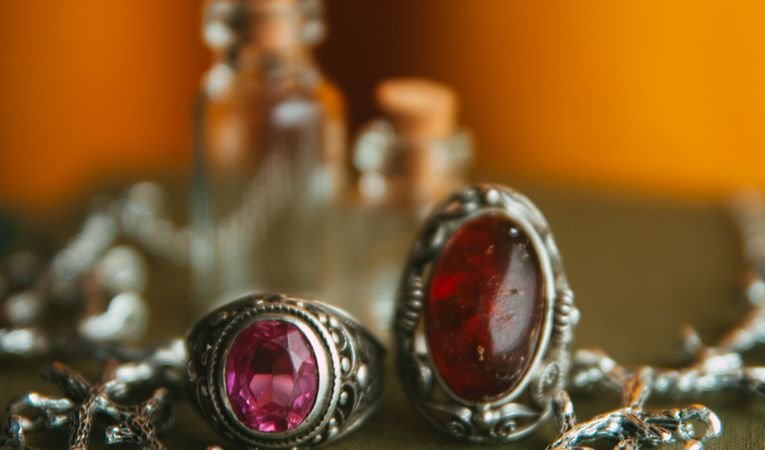
Quick answer: A silver polishing cloth is the safest method for everyday pieces. The best choice depends on the piece: use a silver polishing cloth, a dip cleaner, or a silver-specific cleaning paste. For light tarnish, a treated polishing cloth alone, followed by storage in a sealed pouch, is usually enough to keep a finish bright.
Silver’s beauty is in its shine, but that is also its weakness. Over time, exposure to air, moisture, perfume and skin oils causes silver to tarnish, forming a thin, dark layer that makes it dull. It is easy to get it bright again with the right cleaner and some gentle care, but not every silver item is safe to dip or clean the same way. This guide covers how to clean your silver safely, so you can bring back the shine without causing damage.
Why Silver Tarnishes
When silver is exposed to air and moisture, silver tarnish develops as a chemical reaction, especially in humid environments or where it comes into contact with sulphur compounds. That thin dark layer will re-form in time, and it is perfectly normal. The speed at which it forms depends on a few factors: how often you wear your silver, exposure to chemicals and perfume, and humidity. Regular cleaning and proper storage slow the process. If your silver is turning yellowish or black after a short time, it is only tarnished and can be restored with a little care.
Method 1: Cleaning With a Polishing Cloth, Step by Step
A polishing cloth is the safest starting point for most silver jewellery, and it is the best choice for pieces with stones, delicate settings or a light tarnish. Use a cloth made for silver, which is treated with a gentle cleaning agent. An ordinary dry cloth will remove dust, but it will not lift tarnish as well.
- Wash your hands and lay the piece on a clean, soft surface.
- Hold the piece firmly and rub the tarnished area with the treated side of the cloth, using small, gentle strokes.
- Work along chains link by link, and around settings rather than across them, so you do not catch a prong.
- Turn the cloth to a clean area as it picks up dark tarnish.
- Finish with the plain side of the cloth to buff the silver to a shine.
- Store the piece in a lined box or pouch straight away, so it does not tarnish again quickly.
Use a cloth for regular cleaning every few weeks. It will not remove deep tarnish from detailed pieces, but it keeps everyday silver bright with the least risk. Keep the cloth in its packet between uses, and replace it when the treated surface is fully dark and no longer lifts tarnish.
Method 2: Cleaning With a Dip Cleaner, Step by Step
A dip cleaner works quickly on solid silver with no stones, but it needs care. Read the product instructions first, because dip times and rinsing steps vary between products. Use this method only on pieces you have checked are solid silver with no gemstones, no plating and no glued parts.
- Place the piece in the dip basket or hold it with tweezers, so your hands stay out of the solution.
- Lower it into the solution and leave it for the time stated on the product, usually only a few seconds.
- Lift it out as soon as the tarnish has cleared. Do not leave it in longer than the instructions allow.
- Rinse it thoroughly under clean lukewarm water to remove all residue.
- Pat it dry with a soft, lint free cloth, then buff gently.
- Check the piece in good light. If tarnish remains in fine detail, repeat the dip once, or finish with a polishing cloth.
Never dip a piece with opal, pearl, turquoise, emerald or any soft or porous stone. Never dip plated silver, because the solution can strip the plating. If you are unsure about a piece, use a polishing cloth instead and ask a jeweller for advice.
Using a Liquid or Dip Cleaner Safely
If you choose a dip cleaner, it is important to know what you are doing. Dip cleaners contain chemicals that dissolve tarnish fast, but they can also damage or oxidise an unsuitable piece. Always check the product label to make sure you know the materials you have before the dip, and follow the instructions carefully. Only use the dip for the piece it is meant for, never exceed the recommended time, and always rinse afterwards so the chemical residue cannot build up.
Method 3: Cleaning With a Silver Paste or Foam, Step by Step
Silver paste and foam suit detailed pieces where a cloth cannot reach into crevices. They give you more control than a dip, because you apply the product only where it is needed. Choose a paste or foam made for jewellery, not a general household silver polish, which can be too harsh for delicate settings.
- Dampen a soft sponge or a soft bristle brush, and apply a small amount of paste or foam.
- Work the product gently over the tarnished area, including into engraved lines and around settings.
- Leave it for the time stated on the product, usually a minute or two.
- Rinse thoroughly under clean lukewarm water.
- Pat dry with a soft cloth, then buff with a silver polishing cloth for shine.
Use a soft brush only on solid silver. Avoid stiff brushes on detailed or antique pieces, where they can scratch the surface or loosen a setting. Rinse well after every use, because dried residue can dull the finish and irritate the skin when the piece is worn again.
Ultrasonic Cleaners: What to Know
An ultrasonic cleaner works by sending high frequency vibrations through water to loosen dirt and debris from small cracks and settings. It works well for solid metal chains and detailed settings, and it is fast and easy to use. But it is not safe for soft or glued-in stones, or fragile settings, as the vibrations can loosen or even damage the stones. If in doubt, ask a professional first.
Product Comparison: Cloth, Dip, Paste, Foam and Ultrasonic
| Product Type | Best For | Risk Level | Speed | Cost Band |
|---|---|---|---|---|
| Polishing cloth | Light tarnish and regular upkeep, including pieces with stones | Low | Slow, a few minutes per piece | Low |
| Dip cleaner | Solid silver with no stones and heavy tarnish | Medium to high if used on the wrong piece | Fast, seconds per piece | Low to medium |
| Silver paste | Detailed solid silver and engraved pieces | Low to medium | Medium, a few minutes per piece | Low to medium |
| Silver foam | Detailed pieces and chains, with more control than a dip | Low to medium | Medium, a few minutes per piece | Low to medium |
| Ultrasonic cleaner | Solid metal chains and detailed settings with no soft stones | Medium to high for stones and fragile settings | Fast, a few minutes per batch | Medium to high |
For most people, a polishing cloth plus one deeper method is enough. Choose a dip or a paste for solid silver that tarnishes heavily, and keep a cloth for weekly upkeep and for any piece with a stone. An ultrasonic cleaner is worth it only if you clean a lot of solid silver pieces regularly.
What Not to Do When Cleaning Silver Jewellery
Silver is softer than many people expect, so a harsh method can do more harm than the tarnish itself. Avoid the mistakes below, even when a home remedy looks quick and easy.
- Do not use toothpaste, baking soda paste or other abrasives. They can scratch polished silver and leave fine marks that dull the finish over time.
- Do not use harsh chemicals such as bleach, acetone or household cleaners. They can damage silver, discolour stones and weaken settings.
- Do not use an ultrasonic cleaner on opal, pearl, turquoise, emerald or any soft, porous or fracture filled stone. Vibration can crack or cloud these stones.
- Do not boil silver jewellery or soak it in very hot water, which can loosen glue, crack stones and damage settings.
- Do not scrub with a stiff brush, scouring pad or rough cloth. Use a soft cloth or a soft bristle brush only.
- Do not leave a piece in a dip cleaner longer than the product instructions allow. Over dipping can pit the surface and damage the finish.
- Do not clean a piece you cannot identify. If you do not know the stone or whether the piece is plated, use a polishing cloth only and ask a jeweller first.
Expert Insight
Making direct contact with a trusted jeweller or silver specialist can give you confidence about using a cleaning product. The UK Assay Office guidance on hallmarking explains how sterling silver is marked and why the 925 hallmark is a sign of genuine silver. We’d recommend evaluating the type of product you are using and checking that it is suitable before applying it to your piece. If you are still unsure after checking, the safest step is to use a cloth alone or seek professional advice.
Frequently Asked Questions
Can silver polish remove scratches? No, polish will not remove a deep scratch, but it will add a chemical coating that makes the silver darker and brighter. For deeper scratches, you need a professional polisher to restore the shine.
How often should silver jewellery be cleaned? This depends on how often it is worn and the local environment, but as a general guide, a light clean with a polishing cloth every few weeks will keep it bright. If it is worn daily, wipe it down after each wear and clean more regularly.
More Questions About Cleaning Silver Jewellery
Can I use a silver dip on a chain with a pendant?
Only if both the chain and the pendant are solid silver with no stones, no plating and no glued parts. If the pendant has a stone, clean the chain and the pendant separately, using a cloth on the pendant.
Why does my silver tarnish again so quickly after cleaning?
Air, humidity, perfume and skin oils all speed up tarnish. Store cleaned silver in a lined box or an anti tarnish pouch, keep it away from the bathroom, and wipe it with a soft cloth after wearing to slow the process.
Is it safe to clean antique silver jewellery at home?
Use a polishing cloth only for antique pieces, and be gentle around engraving, hallmarks and delicate settings. For valuable or fragile antiques, ask a jeweller or a specialist cleaner before you try a dip, paste or ultrasonic method.
For more on storing cleaned silver, see our guide to choosing a wooden jewellery box, and for buying pieces that hold up well, see our affordable jewellery that looks expensive guide.
About the Author: This guide was written by Ellen Stevens, Founder & Editor at Fashion Effects, who researches jewellery care and cleaning methods to help readers look after their pieces.
Tags: Jewellery Care